
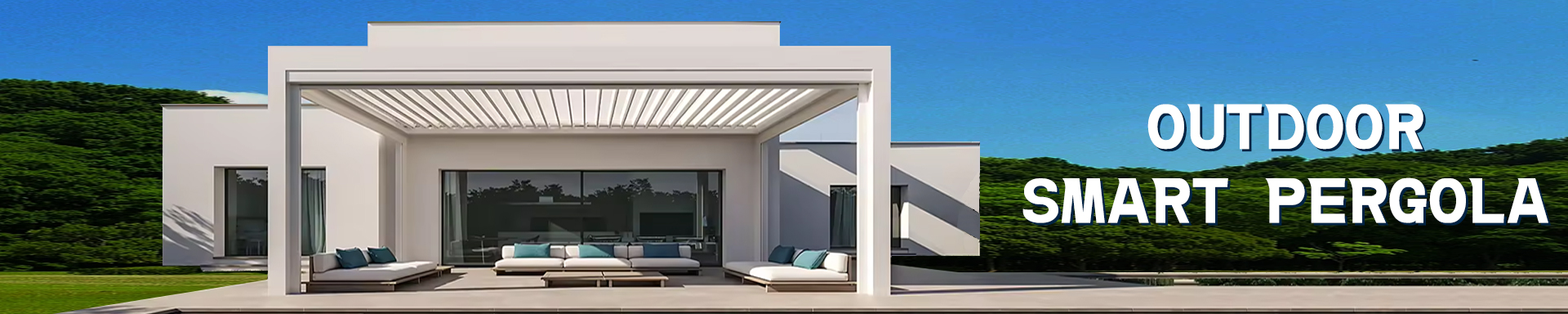
Buying an aluminum pergola isn’t like grabbing a patio chair. It’s a structure that has to survive wind, rain, sun, and maybe a few wild backyard parties. The wrong pick can leave you with a wobbly frame, peeling paint, or a roof that turns into a waterfall every time it drizzles. That’s why a checklist beats impulse shopping. Run through these points before you hand over your card, and you’ll end up with a pergola you actually enjoy for years.
1. Measure your space, then measure again
Grab a tape measure and mark out the exact footprint on your patio or lawn. Don’t guess. A pergola that’s too wide will crowd your walkway, and one that’s too short will look lost. Leave at least 2–3 feet of clearance on all sides so you can walk around it, move furniture, and clean without squeezing. Check overhead clearance too—tree branches, rooflines, and power lines can turn installation day into a mess.
2. Pick a roof style that fits how you’ll use it
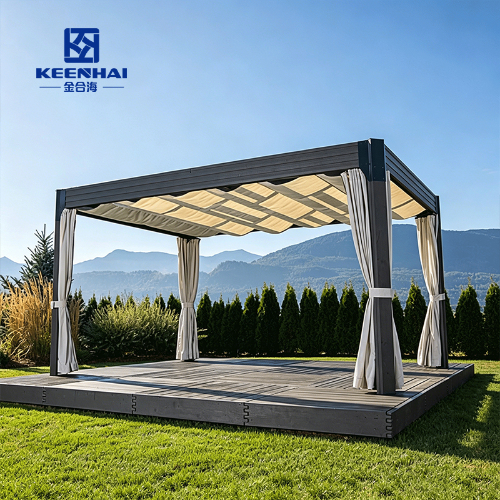
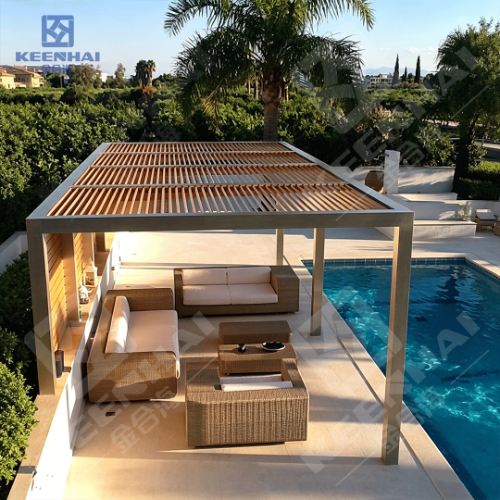
Aluminum pergolas come in three main flavors: solid roof, louvered roof, and open slats.
A solid roof gives real shade and rain protection, but it can feel heavy and dark.
Louvered roofs rotate to control sunlight and airflow—great if you want flexibility, but they cost more.
Open slats look airy and work well for climbing plants, but they won’t block rain. Think about your local weather and how many months you’ll actually sit outside.
3. Check the aluminum thickness
Not all aluminum is created equal. The frame posts and beams should have enough wall thickness to resist bending and twisting. Lightweight frames might be easier to ship, but they can flex in strong gusts. Look for details like “2mm wall thickness” or “extruded aluminum” in the spec sheet. If a seller won’t tell you the gauge, treat that as a red flag.
4. Look for a quality powder coat finish
The finish is what stops your pergola from turning chalky and faded after two summers. Powder coating beats wet paint by a mile because it bonds to the metal and resists scratches, UV damage, and corrosion. Ask if the aluminum is powder-coated on all sides, not just the visible faces. Edges and undersides matter too.
5. Figure out drainage before it rains
If you go with a solid or louvered roof, water has to go somewhere. Some pergolas have built-in gutters and downspouts that channel rain to the corners. Others just dump water over the edges, which can soak your cushions and create mud pits. Check the roof pitch and drainage design. A tiny slope can make a huge difference.
6. Match post size to the pergola size
Bigger pergolas need beefier posts. A 10×10 foot frame might get away with 4×4 inch posts, but a 12×20 foot structure should use 6×6 inch or larger. Undersized posts can bow under weight, especially with a solid roof or snow load. If the manufacturer offers different post options, don’t automatically choose the cheapest one.
7. Ask about wind and snow ratings
This one is boring until a storm hits. Look for a stated wind rating—many quality aluminum pergolas are tested for 50–100 mph winds when properly anchored. If you live where it snows, check the snow load capacity too. Wet snow is heavy, and a roof that sags after one winter isn’t worth the savings. The seller should be able to provide engineering data or at least clear limits.
8. Check permits and HOA rules before you order
Yeah, paperwork is annoying, but skipping it can cost more. Many cities require permits for permanent pergolas, especially ones with solid roofs or footings. HOAs often have rules about colors, roof styles, and placement. Call your local building department and read your HOA guidelines. It’s way easier to adjust your order before it ships than to fight a violation later.
9. Plan the base or footing
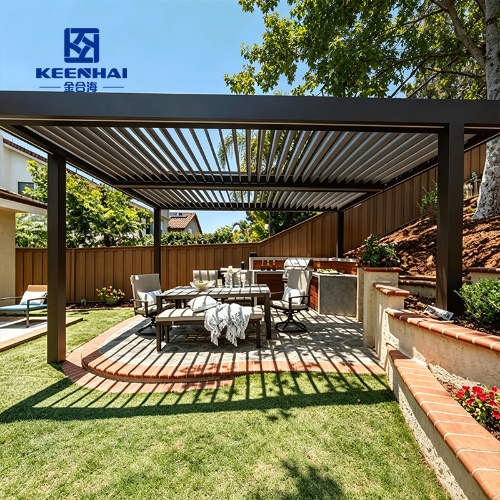
An aluminum pergola is only as stable as what it’s attached to. You can anchor it to an existing concrete patio, set posts in concrete footings, or use ground screws. Each method has different costs and permanence. If you’re placing it on grass or pavers, plan for extra materials and labor. And no, just setting it on the lawn isn’t a plan.
10. Inspect the hardware and connectors
The frame might be aluminum, but cheap steel bolts and brackets can rust and stain the whole structure. Look for stainless steel or coated hardware that won’t corrode. Ask whether the kit includes all brackets, screws, and anchors. Missing hardware turns a weekend project into a week of hardware store runs.
11. Think about add-ons now, not later
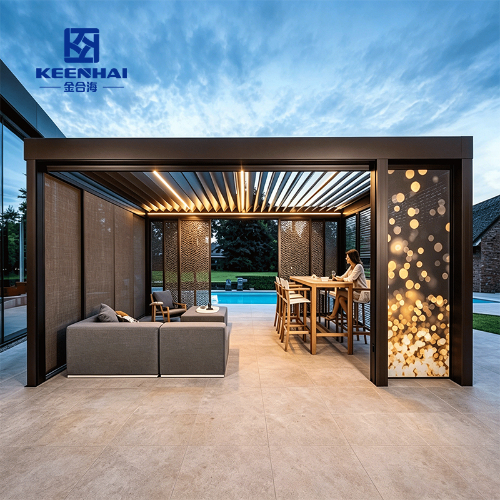
Screens, privacy panels, curtains, lighting, ceiling fans—adding these later can be expensive and sometimes impossible if the frame isn’t designed for them. If you want a mosquito-free evening space, check that the pergola has tracks or attachment points for screens. If you want string lights, make sure there are hooks or channels. Planning ahead saves you from zip ties and regret.
12. Read the warranty like a detective
Warranties vary wildly. Some brands cover the frame for 10–15 years but only give 1–2 years on the finish or moving parts. Others prorate the coverage after a few years, meaning you pay more for replacements over time. Look for a clear, non-prorated warranty on both the aluminum frame and the powder coat. If the warranty is vague, ask questions until it isn’t.
13. Uncover hidden shipping and delivery fees
Aluminum pergolas are bulky, and freight costs can add hundreds to your total. Some sellers advertise a low base price but hit you with shipping, liftgate service, and residential delivery fees at checkout. Ask for an all-in quote before comparing prices. Also check whether the delivery includes bringing the boxes to your driveway or just to the curb.
14. Know what assembly really takes
The listing might say “easy assembly,” but that often means two people and a full weekend. Look at the instructions or a video before buying. Count the parts, check if panels come pre-assembled, and see which tools you need. If you’re not handy, budget for professional installation. A poorly assembled pergola can wobble, leak, or even collapse.
Conclusion
An aluminum pergola can be a fantastic upgrade—shade, style, and a reason to spend more time outside. But the gap between a great buy and a frustrating mistake comes down to the details most people skip. Measure carefully, ask about thickness and wind ratings, nail down drainage and permits, and don’t ignore the fine print. Run through this checklist, save it to your phone, and you’ll be way ahead of the average buyer. Then all that’s left is firing up the grill and enjoying the space.